
What do termites look like? Here's how to tell them apart from ants.

January 27, 2024
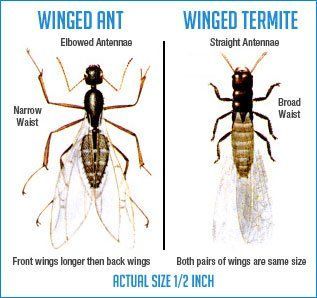
Comparison chart showing differences between winged ants and winged termites regarding antennae, waists, and wing sizes. - Lancaster Pa

Welcome to our guide on identifying whether you have an ant or termite problem in your home. Correctly identifying these pests is crucial for effective pest control.  Ants  and  termites  may look similar, but they have different characteristics that set them apart. By learning how to identify these pests and their habits, you can determine which treatment options are best for your situation. In this section, we will discuss the physical differences between  ants  and  termites  and the signs of infestation for both.

Key Takeaways

  • Identifying  ants  and  termites  correctly is crucial for effective pest control.
  • Understanding the physical differences between ants and termites will aid in accurate identification.
  • Knowing the signs of an ant or  termite infestation  can prevent extensive damage.
  • There are effective preventive measures and treatments available for both ants and termites.
  • Professional assistance from All County Termite & Pest Control is available for ant and  termite control  in Lancaster, Pa

Ants or Termites: Physical Differences

When it comes to identifying pests in your home, understanding the physical differences between ants and termites is crucial. Ants and termites may look similar to the untrained eye, but upon closer inspection, there are noticeable variations that differentiate the two species. Ants have a narrow waist and elbowed antennae. They may range in color from brown to black and may have wings, but typically only the reproductive members of the colony have wings. There are over 12,000 species of ants worldwide, with around 1,000 in the United States alone. Termites, on the other hand, have a broad waist, straight antennae, and are typically white or light brown in color. Unlike ants, most members of a termite colony have wings, so seeing multiple flying insects in your home is a strong indicator of a  termite infestation . There are over 2,700 species of termites worldwide, but only around 50 species are found in the United States. By knowing these physical differences, you can accurately identify which pest you're dealing with in your home. If you're still unsure, contact a pest control expert for assistance.

Ant vs. Termite Characteristics

Distinguishing between ants and subterranean termites can be challenging, but there are key features that can help you differentiate the two. Ants typically have a distinct narrow waist, with elbowed antennae and varying body segments. In contrast, subterranean termites have a straight waist, straight antennae, and a more uniform body structure. Another noticeable difference is their wings: ant wings are typically unequal in size, while termite wings are of equal length. Additionally, ants have elbowed antennae, while termites have straight antennae. If you observe swarming insects around your property, closely examine their physical characteristics to accurately identify whether you're dealing with ants or subterranean termites. Seeking professional assistance from pest control experts like All County Termite & Pest Control in Lancaster, Pa. can provide a definitive identification and effective solutions to address the specific pest issue.

Signs of Ant Infestation

If you have spotted a few ants crawling around your house, chances are there is a colony nearby. It is essential to identify the signs of  ant infestation  early before it turns into a more significant problem. Here's what to look for:
  1. Ant Trails: Ants move in a straight line when searching for food. If you see a clear line of ants traipsing across your floor, it's a sign that they have found a food source.
  2. Ant Nest: An ant nest can be outside, in your walls, or in crawl spaces. Ant nests usually have a small opening and may have a dirt mound around it.
  3. Frass: Ants leave behind small piles of dirt or other debris near their nests. These piles, called frass, are created as they excavate tunnels for their colony.
  4. Wood Damage: Carpenter ants are known for their ability to damage wood. If you see wood shavings or holes in your walls or furniture, it could be a sign of a carpenter  ant infestation .
Be sure to identify the type of ants in your home to determine the best course of action for controlling the infestation. Contact a pest control professional if you are unsure, as different  ant species  may require different treatments.

Signs of Termite Infestation

If you suspect you have a  termite infestation , it's crucial to identify the signs before significant damage occurs. Here are some signs to look out for:
  1. Discarded Wings:  Winged termites  typically swarm in spring and summer. If you notice discarded wings around your home, it's a sign that a swarm has occurred, and termites have infiltrated your home.
  2. Mud Tubes: Termites build mud tubes to travel from their nest to their food source. These tubes, which run along walls or the foundation of your home, can be a sign of termite activity. Check for signs of mud tubes regularly to help prevent an infestation.
  3. Hollow Wood: As termites consume wood, they leave behind only a thin veneer. If you tap on wood surfaces and they sound hollow, it's a sign that termites have been consuming it from the inside. You may even notice tunnels within the wood.
  4. Droppings: Termite feces looks like small pellets and can accumulate in the vicinity of an infestation. These droppings are referred to as frass and are often found near an entry point to the structure.
Identifying these signs early on can help you take the necessary steps to address a termite infestation before significant damage occurs. At All County Termite & Pest Control , we offer expert termite inspection and treatment services to help you protect your home. Contact us today at 717-940-9029 to schedule an appointment in Lancaster, PA, and surrounding areas. We are your local trusted exterminator.

Ant Control: Prevention and Treatment

If you're dealing with an  ant infestation  in your home, taking preventative measures and finding effective treatment options is vital to controlling the spread of these pests. At All County Termite & Pest Control, we offer a range of  ant control  services that target specific  ant species  and provide long-lasting relief. One of the most effective extermination prevention methods is to remove food sources and clean any areas where ants may have left traces. Keeping a clean home and sealing any entry points, such as cracks or gaps, can help prevent future infestations. If you're already dealing with an infestation, treatment options include baiting, spraying, and dusting. We can help you determine the best approach for your situation and provide customized solutions tailored to your specific needs. Our experts use safe and effective methods to ensure that you and your family remain safe while treatment is ongoing. Contact All County Termite & Pest Control at 717-940-9029 for professional ant control services in the Lancaster, PA area. Click here for a free quote . A close-up view of a trail of ants moving towards a food source, with emphasis on the different sizes and shapes of individual ants in the group. The ants should be depicted in a realistic manner, with attention to their body structure, mandibles, and antennae. The background should be blurred to draw attention to the ants and their movement.

We understand the frustration of dealing with an ant infestation, and our goal is to help you get back to enjoying your home pest-free. Let us help you with our comprehensive  ant treatment  services.

Termite Control: Prevention and Treatment

Termites can cause extensive damage to your home, and it's essential to control their infestation. We will discuss preventive strategies and treatment methods that you can utilize to eliminate termites from your house.

Preventive Measures

The best way to prevent termite infestation is to make your home less hospitable to them. Here are some tips:
  • Eliminate moisture - Fix any water leaks, wipe up standing water, and ensure your home has adequate ventilation.
  • Maintain landscaping - Ensure branches, shrubs, and other plants are at least a foot away from your home's foundation. Trim back overhanging branches that can attract termites.
  • Eliminate entry points - Seal cracks, gaps, and other openings leading into your home, including around pipes and electrical wiring.

DIY Treatment

DIY termite treatment methods often fall short when it comes to addressing the complexity and severity of termite infestations. These pests are notoriously resilient and can cause significant damage to homes if not properly eliminated. Homeowners attempting to handle termite problems themselves may find temporary relief but are likely to miss the hidden colonies and fail to implement the comprehensive measures necessary for long-term eradication. That's where All County Termite & Pest Control steps in, offering superior results through their professional expertise and advanced treatment solutions. With a team of skilled technicians, they conduct thorough inspections to identify the extent of the termite issue, customizing targeted strategies to effectively eliminate colonies and prevent future infestations. Choosing All County Termite & Pest Control ensures homeowners a peace of mind, knowing that their termite problems are in the hands of experts dedicated to providing top-tier, long-lasting solutions for a termite-free home.

Professional Treatment

If DIY treatments don't work or if the termite infestation is severe, it's best to hire a professional. A pest control expert can assess the situation and recommend the best treatment option for your home. Professional treatment may include:
  • Ground treatment - Involves applying termiticide to the soil around your home.
  • Wood treatment - Involves treating infested wood with a special solution.
  • Fumigation - Involves enclosing your home in a tent and fumigating it with a gas that kills termites.
Ultimately, it's crucial to take action against termites as soon as you detect their presence. Contact All County Termite & Pest Control at 717-940-9029 for professional assistance in Lancaster, Pa.

Flying Ants vs. Flying Termites

When it comes to identifying winged insects, knowing the difference between  flying ants  and  flying termites  is crucial. While they may look similar at first glance, the two species have distinct features that help differentiate them.

Flying Ants

Ants with wings  are known as  winged ants  or alates. They typically have two sets of wings with one set larger than the other. These wings are often translucent and visible when the ants are swarming. Additionally,  flying ants  have elbowed antennae and a narrow waist, similar to regular ants.

Flying Termites

Termites with wings  are known as  winged termites  or swarmers. They also have two sets of wings that are of equal size and length, and they tend to be milky or opaque in color. Unlike  flying ants , termites have straight antennae and a broad waist, giving them a distinct appearance. To help differentiate between the two, it is important to note that flying ants are often less harmful than  flying termites . While both species can cause damage to homes,  flying termites  are known to be more destructive. If you suspect you have a termite infestation, it is crucial to contact a professional pest control service immediately. Take a look at the image below to see how  winged ants  and  winged termites  differ in appearance: Stay tuned for the next section where we will dive into the significance of  termite mud tubes  to help you identify whether you have a termite problem.

Termite Mud Tubes: Understanding Termite Behavior

If you suspect that you have a termite infestation, you should look for  termite mud tubes  or shelter tubes, which are an essential part of termite behavior. These tubes are made of soil, wood particles, and debris through which worker termites travel to reach their food sources without exposing themselves. Visually, these tubes are about the width of a pencil and run vertically or diagonally in a compressed pattern along walls, foundation, and other surfaces. The presence of these mud tubes is an indicator of active termites in your home. Checking for mud tubes on a regular basis can help identify termites before they cause significant damage to your property. Another essential factor is the type of construction utilized.  Termite mud tubes  are more common in homes that have crawl spaces between the floors and have wooden floors above the ground level.
"Detecting and understanding termite mud tubes is critical in identifying termite infestations. Their presence can help you determine the high-risk areas of your property that require more protection to prevent future infestations."

Conclusion

In conclusion, identifying and controlling ant or termite infestations in your home is important for protecting your property from damage. Remember to look for physical differences between ants and termites, as well as signs of infestations. Prevention is crucial for keeping ants and termites at bay, so make sure to eliminate any sources of food or water that may attract these pests. If you suspect an infestation, contact us at All County Termite & Pest Control for professional assistance in ant or  termite control . Our team uses a variety of treatment options that are safe and effective for eliminating ants and termites from your home. We are committed to providing quality service and protecting your home from these unwanted pests. Don't wait until it's too late – call us today to schedule an appointment. Thank you for choosing All County Termite & Pest Control for your ant and  termite control  needs. We look forward to working with you!

Share this article

Recent Posts

Plowed field covered with corn stalks in a rural landscape, with houses and trees in the distance.
September 24, 2026
As the leaves change color and crisp autumn air settles over Central Pennsylvania, Lancaster County residents begin pulling out their sweaters and turning up the heat. Unfortunately, humans aren’t the only ones looking for a cozy place to escape the chilly weather. When outdoor temperatures drop and crops are harvested, rodents actively seek warmth, food, and nesting areas, making your home a prime target.  If you are wondering whether rodents are eyeing your property this season, the answer is a definitive yes. Understanding why this happens and knowing when to call for professional mouse control in Lancaster, PA can protect your household from structural damage and health hazards. Why Mice Invade Lancaster Homes in the Fall and Winter Mice do not hibernate. Instead, they rely on survival instincts to find stable, warm environments to endure the freezing Pennsylvania winters. Your home provides the ultimate trifecta for survival: warmth, water, and endless food sources. As agricultural harvesting finishes across Lancaster County fields, outdoor food supplies dwindle rapidly. Field mice and house mice instinctively migrate toward residential neighborhoods, commercial properties, and suburban developments. A gap as small as a dime is all a mouse needs to squeeze through a foundation crack, a damaged doorsill, or an unsealed utility line entry. Once inside, they reproduce quickly, turning a minor intrusion into a widespread infestation before spring arrives. Signs You Need Professional Rodent Extermination Because mice are nocturnal and highly adept at hiding in walls, drop ceilings, and crawl spaces, you may have an infestation long before you ever see a live rodent. Keep an eye out for these common warning signs: Droppings: Small, dark, pellet-like droppings typically found along baseboards, under sinks, or near food pantries. Gnaw Marks: Chewed drywall, baseboards, electrical wiring, or food packaging. Scratching Noises: Scurrying or scratching sounds coming from inside the walls or ceilings, particularly late at night. Nesting Material: Shredded paper, insulation, cardboard, or fabric piled up in hidden corners, basements, or attics. Ignoring these early warning signs can lead to costly consequences. Mice can chew through electrical wiring, creating significant fire hazards, and can introduce bacteria, ticks, and diseases into your living environment. Proactive Tips to Keep Rodents Out Preventative maintenance is the first line of defense against fall pest invasions. Homeowners can take several strategic steps to reduce the risk of a rodent infestation: Seal Entry Points: Inspect your foundation, exterior walls, and areas around utility pipes. Fill gaps with steel wool and silicone caulk, as mice cannot easily chew through steel. Manage Food Sources: Store pantry staples, pet food, and birdseed in airtight plastic or glass containers. Clean up kitchen crumbs and wipe down counters daily. Clear Perimeter Debris: Keep firewood piles, thick brush, and overgrown shrubbery away from the immediate foundation of your home. Mice use these piles as staging areas before making a move inside. Get Expert Mouse Control in Lancaster, PA While DIY traps and entry-point patching can help, an existing rodent population requires an experienced hand to completely eradicate. A localized infestation can quickly adapt and avoid standard retail traps. All County Termite & Pest Control has provided trusted, reliable pest management solutions across Lancaster, PA and surrounding areas since 1958. Our team of experienced, licensed professionals understands local rodent behavior and structural vulnerabilities unique to Central Pennsylvania homes. We don't just treat the symptoms of an infestation; we locate the source, eliminate the breeding population, and implement proactive exclusions to ensure your home remains pest-free all winter long. Protect your peace of mind before the freezing winter weather locks pests inside with you. Contact All County Termite & Pest Control today to schedule a thorough inspection and secure your property against seasonal invaders.
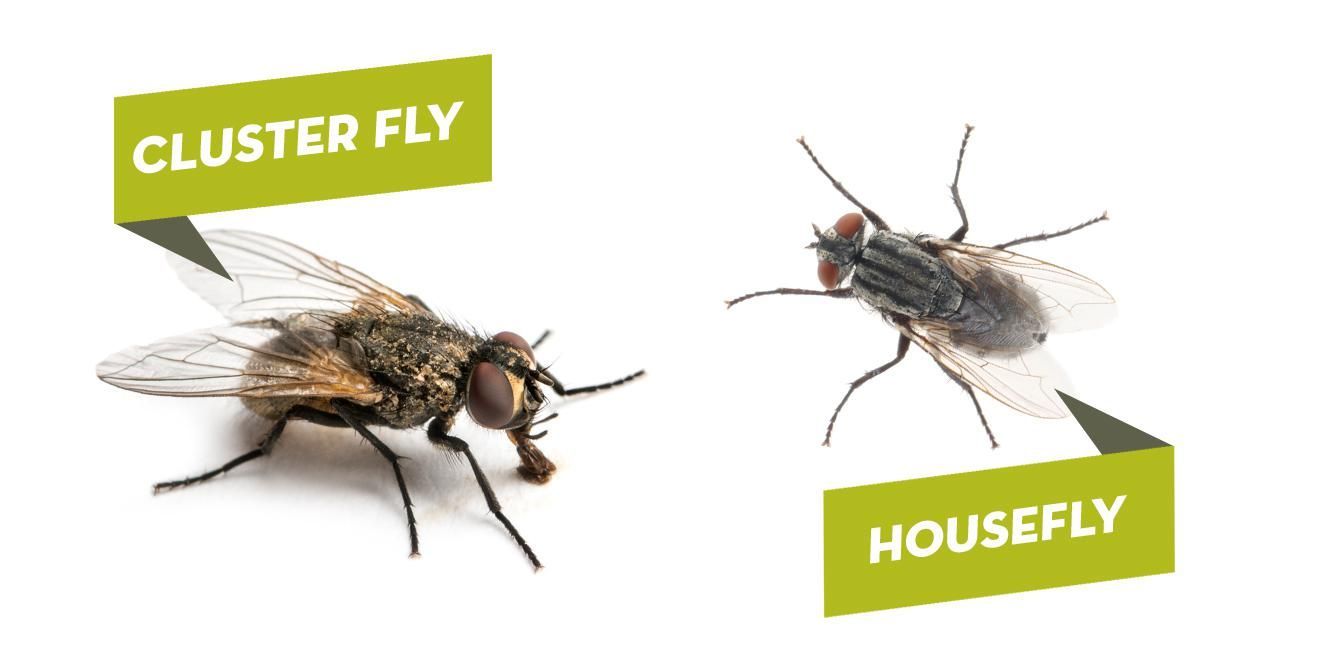
Side-by-side comparison of a cluster fly and a housefly, labeled with text boxes - Lancaster Pa
November 11, 2025
Cluster flies invading your Lancaster, PA home? All County Termite & Pest offers expert treatment and prevention for lasting protection. Call today for a free quote.

Ants crawl across a tabletop near sugar cubes, a piece of bread, and jars of baking ingredients. - Lancaster Pa
December 3, 2024
Ant killer is not the best solution. Call All County Termite & Pest Control in Lancaster Pa for effective ant control solutions for your home or business. Free quote
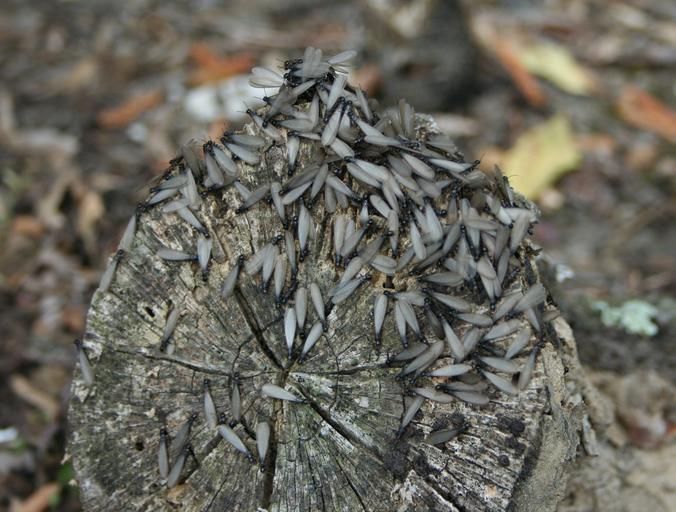
A swarm of winged termites gathered on a weathered wooden log stump outdoors - Lancaster Pa
December 2, 2024
Protecting your Lancaster Pa home or business from termites is crucial. Termites cause a lot of damage if not treated. All County Termite & Pest Control can help.
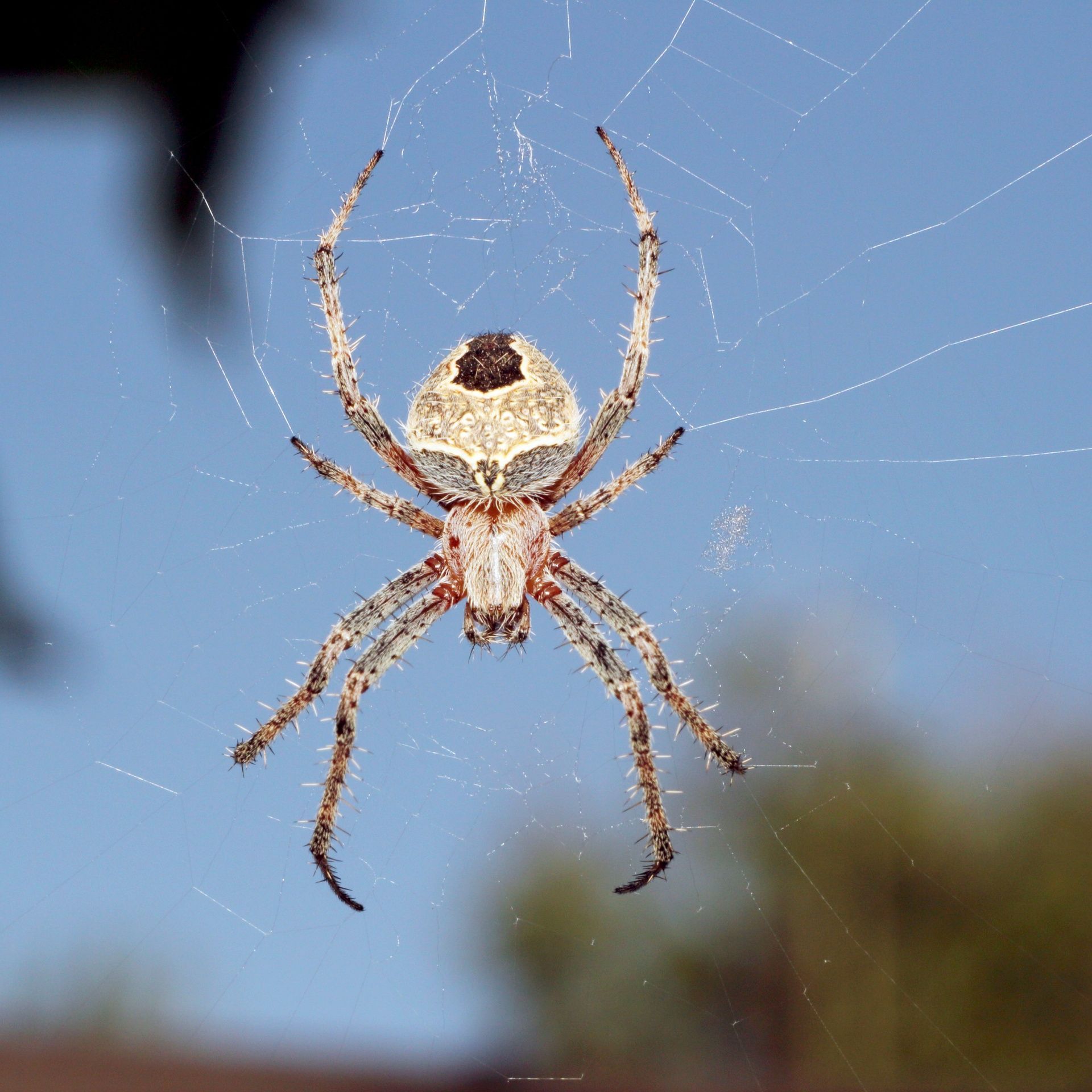
A large light brown orb-weaver spider rests on a web against a blue sky - Lancaster Pa
September 6, 2024
When it comes to pest control for pesky spiders, All County Termite & Pest Control in Lancaster, Pa is essential for ensuring effective and long-lasting results.

A rustic kitchen with wooden cabinetry, glass cabinets, and pottery on the counter - Lancaster Pa
February 3, 2024
Indian Meal Moths in the pantry? Call All County Termite & Pest Control in Lancaster Pa for fast solutions to control stored product pests in the kitchen. Free quote
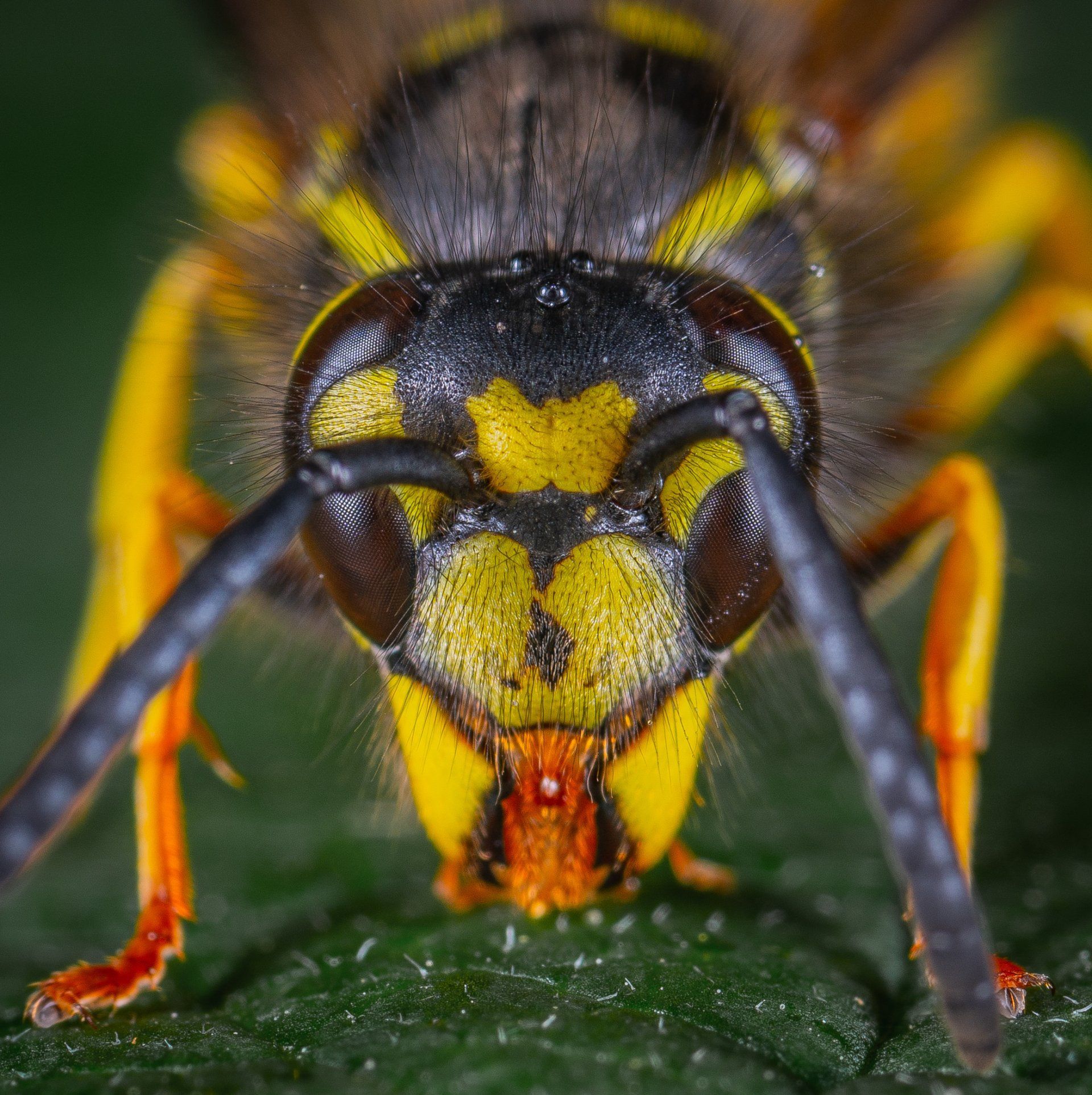
Close-up of a yellow and black wasp face with large dark eyes and antennae - Lancaster Pa
January 28, 2024
Yellow jacket removal can be dangerous, and attempting to do it yourself may result in painful stings. Let All County Termite & Pest Control in Lancaster Pa help you

A single-story brick house with a two-car garage and mowed lawn - Lancaster Pa
January 27, 2024
Look for the best pest control near me? All County Termite & Pest Control in Lancaster Pa has solutions to control bothersome pests in and around your home. Call now
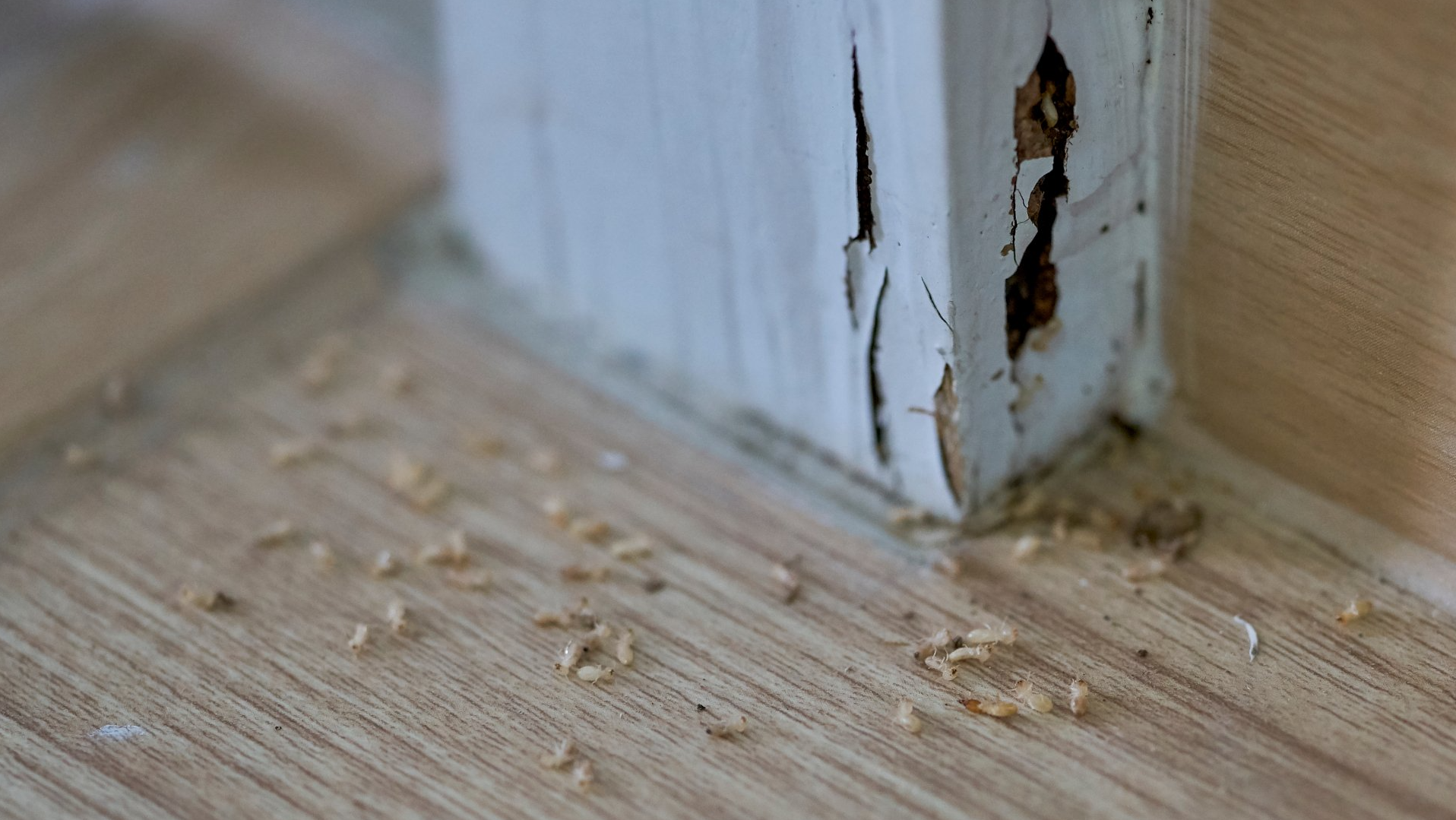
Close-up of a damaged door frame with wood shavings, showing pest infestation - Lancaster Pa
July 14, 2021
How do you know if you have termites? Call All County Termite & Pest Control in Lancaster Pa for an inspection and free estimate for termite control and treatment
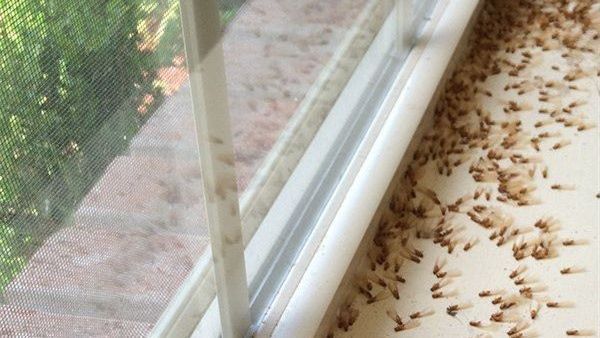
A large number of winged termites, or swarmers, clustered on a white windowsill next to a window screen. - Lancaster Pa
March 10, 2019
What does termite damage look like? All County Termite & Pest Control in Lancaster Pa specializes in termite inspection and treatment to stop damaging termites fast.

Show More

