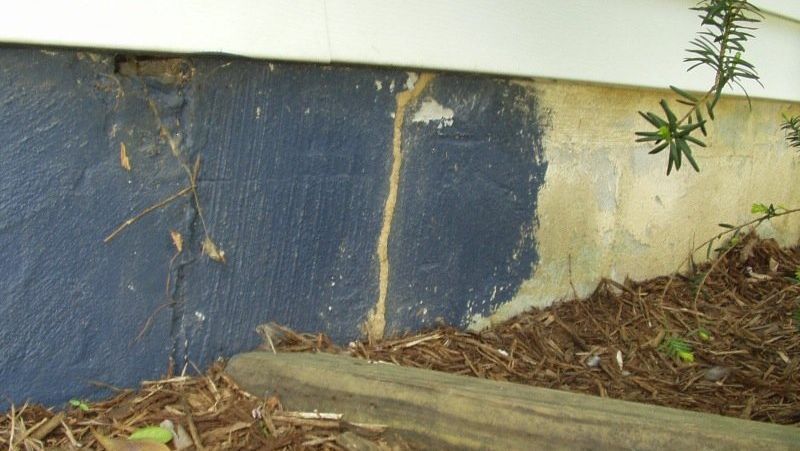

As the leaves change color and crisp autumn air settles over Central Pennsylvania, Lancaster County residents begin pulling out their sweaters and turning up the heat. Unfortunately, humans aren’t the only ones looking for a cozy place to escape the chilly weather. When outdoor temperatures drop and crops are harvested, rodents actively seek warmth, food, and nesting areas, making your home a prime target. If you are wondering whether rodents are eyeing your property this season, the answer is a definitive yes. Understanding why this happens and knowing when to call for professional mouse control in Lancaster, PA can protect your household from structural damage and health hazards. Why Mice Invade Lancaster Homes in the Fall and Winter Mice do not hibernate. Instead, they rely on survival instincts to find stable, warm environments to endure the freezing Pennsylvania winters. Your home provides the ultimate trifecta for survival: warmth, water, and endless food sources. As agricultural harvesting finishes across Lancaster County fields, outdoor food supplies dwindle rapidly. Field mice and house mice instinctively migrate toward residential neighborhoods, commercial properties, and suburban developments. A gap as small as a dime is all a mouse needs to squeeze through a foundation crack, a damaged doorsill, or an unsealed utility line entry. Once inside, they reproduce quickly, turning a minor intrusion into a widespread infestation before spring arrives. Signs You Need Professional Rodent Extermination Because mice are nocturnal and highly adept at hiding in walls, drop ceilings, and crawl spaces, you may have an infestation long before you ever see a live rodent. Keep an eye out for these common warning signs: Droppings: Small, dark, pellet-like droppings typically found along baseboards, under sinks, or near food pantries. Gnaw Marks: Chewed drywall, baseboards, electrical wiring, or food packaging. Scratching Noises: Scurrying or scratching sounds coming from inside the walls or ceilings, particularly late at night. Nesting Material: Shredded paper, insulation, cardboard, or fabric piled up in hidden corners, basements, or attics. Ignoring these early warning signs can lead to costly consequences. Mice can chew through electrical wiring, creating significant fire hazards, and can introduce bacteria, ticks, and diseases into your living environment. Proactive Tips to Keep Rodents Out Preventative maintenance is the first line of defense against fall pest invasions. Homeowners can take several strategic steps to reduce the risk of a rodent infestation: Seal Entry Points: Inspect your foundation, exterior walls, and areas around utility pipes. Fill gaps with steel wool and silicone caulk, as mice cannot easily chew through steel. Manage Food Sources: Store pantry staples, pet food, and birdseed in airtight plastic or glass containers. Clean up kitchen crumbs and wipe down counters daily. Clear Perimeter Debris: Keep firewood piles, thick brush, and overgrown shrubbery away from the immediate foundation of your home. Mice use these piles as staging areas before making a move inside. Get Expert Mouse Control in Lancaster, PA While DIY traps and entry-point patching can help, an existing rodent population requires an experienced hand to completely eradicate. A localized infestation can quickly adapt and avoid standard retail traps. All County Termite & Pest Control has provided trusted, reliable pest management solutions across Lancaster, PA and surrounding areas since 1958. Our team of experienced, licensed professionals understands local rodent behavior and structural vulnerabilities unique to Central Pennsylvania homes. We don't just treat the symptoms of an infestation; we locate the source, eliminate the breeding population, and implement proactive exclusions to ensure your home remains pest-free all winter long. Protect your peace of mind before the freezing winter weather locks pests inside with you. Contact All County Termite & Pest Control today to schedule a thorough inspection and secure your property against seasonal invaders.

Cluster flies invading your Lancaster, PA home? All County Termite & Pest offers expert treatment and prevention for lasting protection. Call today for a free quote.

Ant killer is not the best solution. Call All County Termite & Pest Control in Lancaster Pa for effective ant control solutions for your home or business. Free quote
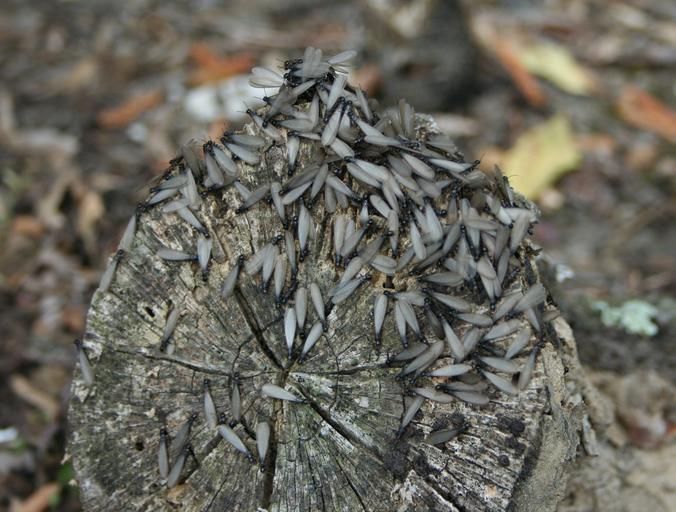
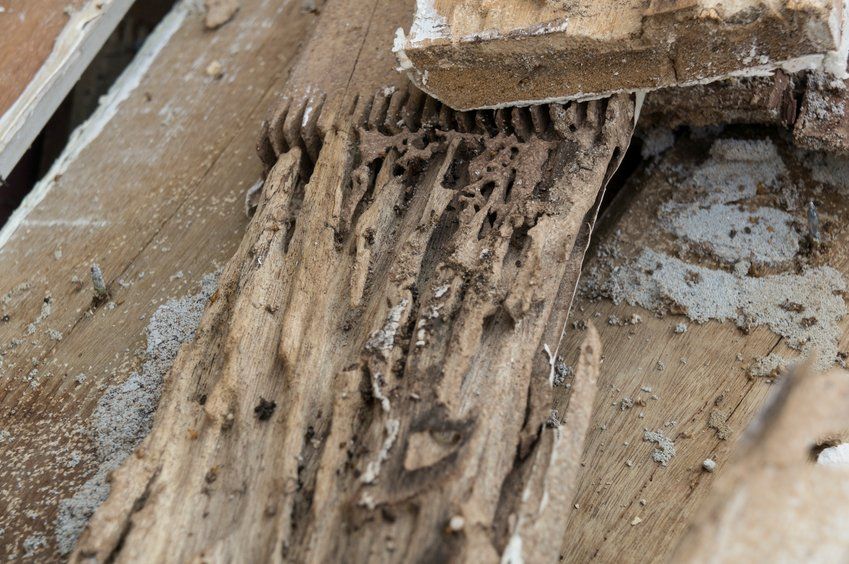
Protecting your Lancaster Pa home or business from termites is crucial. Termites cause a lot of damage if not treated. All County Termite & Pest Control can help.

When it comes to pest control for pesky spiders, All County Termite & Pest Control in Lancaster, Pa is essential for ensuring effective and long-lasting results.

Indian Meal Moths in the pantry? Call All County Termite & Pest Control in Lancaster Pa for fast solutions to control stored product pests in the kitchen. Free quote

Yellow jacket removal can be dangerous, and attempting to do it yourself may result in painful stings. Let All County Termite & Pest Control in Lancaster Pa help you
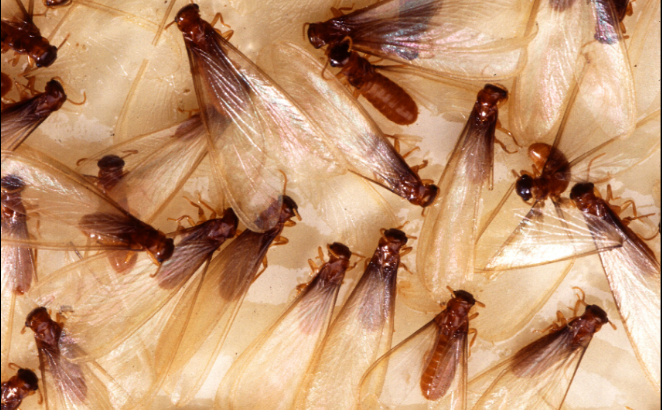
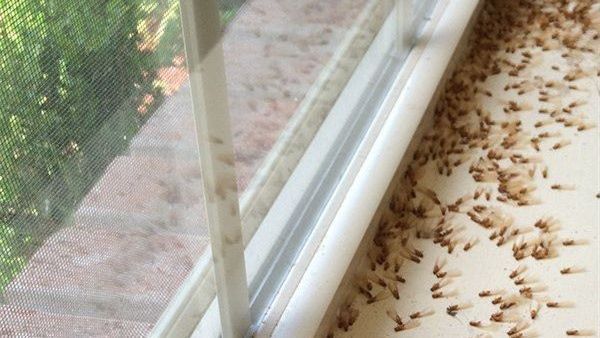
You may be seeing swarming insects in the Spring. Are they ants or termites? What do termites look like? Call All County Termite & Pest in Control in Lancaster, Pa

Look for the best pest control near me? All County Termite & Pest Control in Lancaster Pa has solutions to control bothersome pests in and around your home. Call now
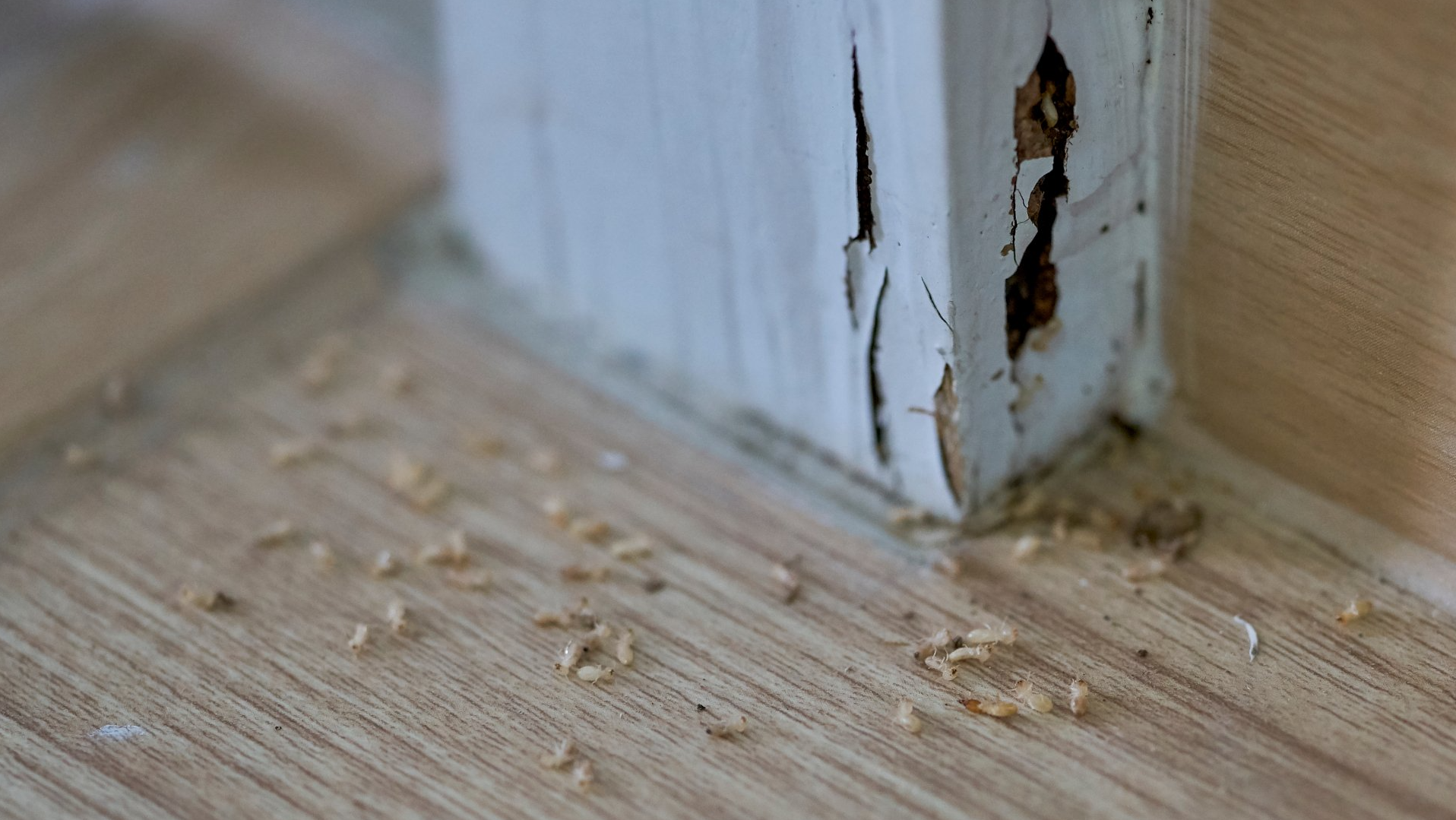
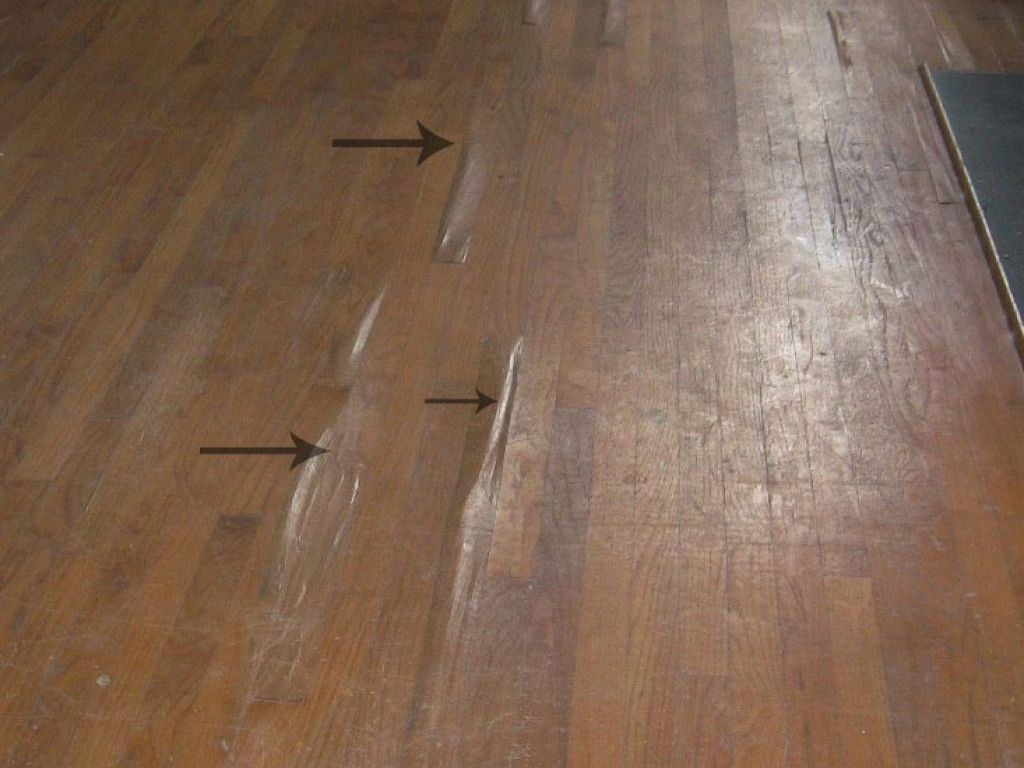
How do you know if you have termites? Call All County Termite & Pest Control in Lancaster Pa for an inspection and free estimate for termite control and treatment



